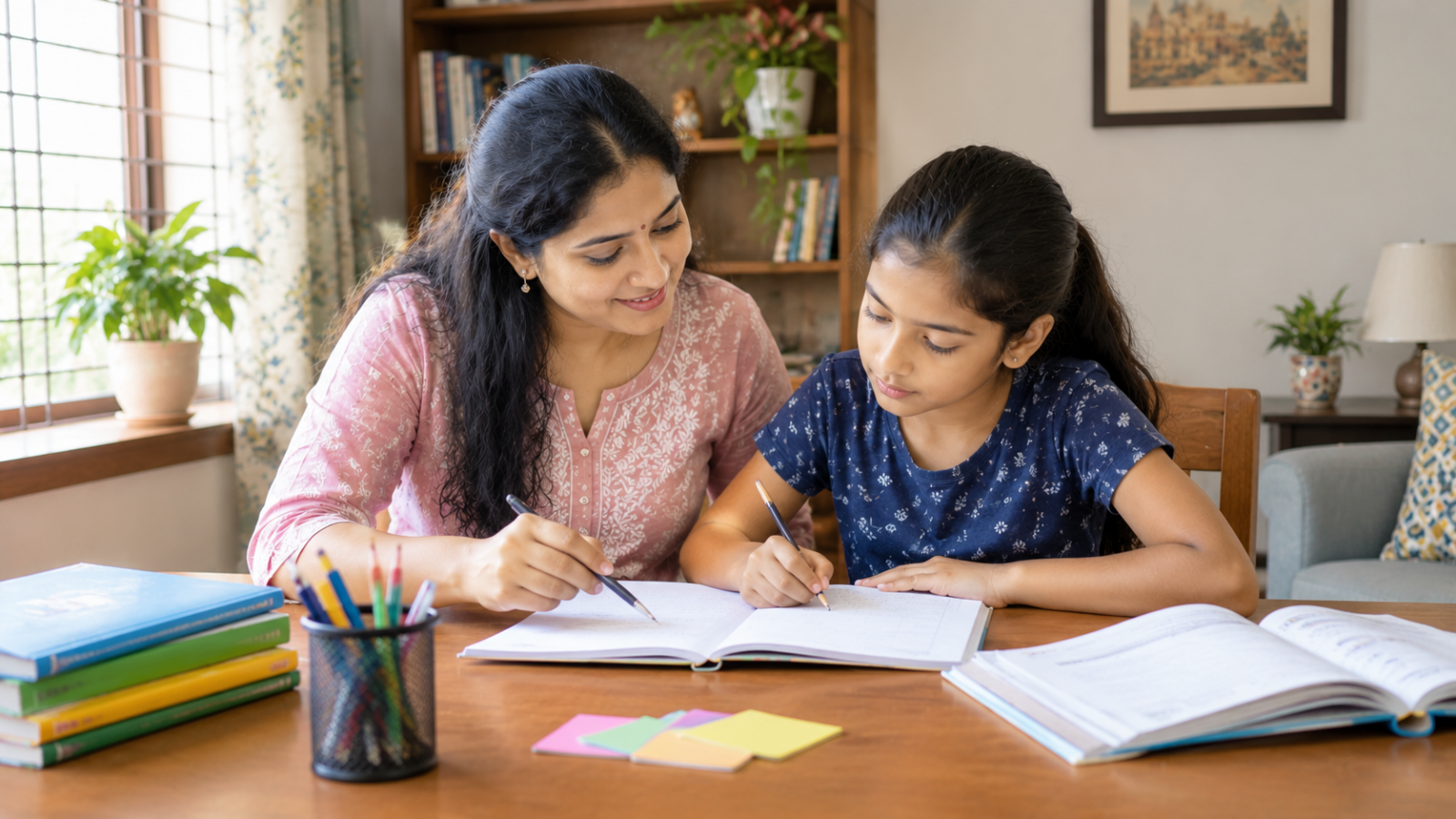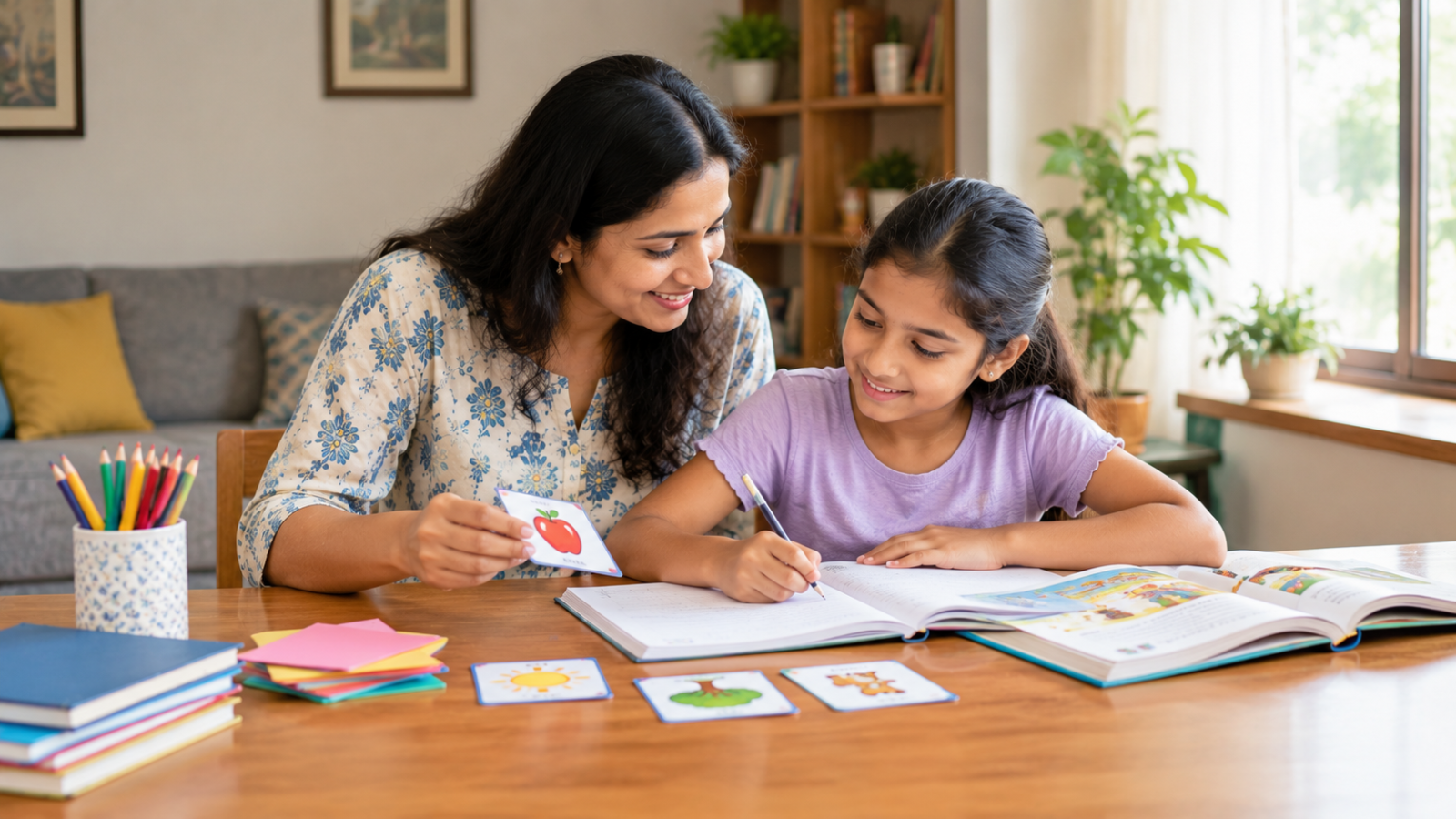

Quick answer: To communicate student progress to parents effectively, share regular, specific and honest updates about what a child has learned, what they are finding difficult and what they should work on next. Use simple language, recognise improvements and agree on practical steps that tutors and parents can follow together.
Parents want to understand whether their child is learning well, becoming more confident and developing the skills needed for school. For private tutors, communicating this information is an important part of building trust and maintaining a productive learning relationship.
However, simply telling a parent that a child is doing well or needs to work harder is rarely enough. Effective communication explains what is happening, gives clear examples and offers a practical plan for improvement.
Why communicating student progress to parents matters
Parents see how their children study at home, while tutors observe their understanding, participation and performance during lessons. Sharing these observations helps both sides develop a clearer picture of the child's learning needs.
Regular communication can help tutors:
- Build trust: Parents understand what happens during tuition and how lessons support their child's learning.
- Identify learning gaps: Difficulties with concepts, homework or revision can be addressed before they become bigger problems.
- Recognise improvement: Parents can see progress in understanding, confidence, accuracy and independent work.
- Encourage home support: Families receive practical suggestions rather than vague instructions to make their child study more.
- Set realistic expectations: Parents understand that progress may vary by subject, topic and individual learning needs.
Communication should be a two-way conversation. Parents may share useful information about a child's study habits, difficulties or concerns that a tutor may not observe during lessons. The Australian Education Research Organisation also recommends personalised, positive and learning-focused updates that allow families to respond.
Read its guidance on engaging families to support student learning.
How to communicate student progress to parents effectively
1. Share specific observations instead of general comments
Avoid relying only on statements such as “Your child is doing well” or “Your child needs to improve.” These comments do not explain what the student can do or where support is needed.
Instead, mention the topic covered, the skills demonstrated and the next area to practise.
- General feedback: Your child is improving in Maths.
- Specific feedback: Your child can now solve basic linear equations independently. We are working on word problems that require converting statements into equations.
Specific feedback makes the conversation more useful because parents can understand the progress and the next learning target.
2. Establish a regular communication schedule
Choose a communication frequency that is practical for your teaching schedule and useful for each family. Consistency is more important than sending a large number of messages.
Frequency | What to communicate |
|---|---|
After a lesson, when useful | A brief update about a completed topic, homework or an immediate concern. |
Weekly | Topics covered, participation, homework completion and one improvement area. |
Monthly | A broader progress review, recurring learning gaps and goals for the next month. |
Before an important test | Revision priorities, areas needing practice and preparation steps. |
These are suggested routines, not fixed rules. Discuss the preferred frequency and communication method with parents at the beginning of tuition. Avoid overwhelming families with repetitive updates.
3. Use a simple student progress report
A short written report helps you track learning over time and explain your observations clearly. You do not need complicated software; a notebook, spreadsheet or structured message can be enough.
Include the following information in your student progress report:
- Subjects and topics: What was taught during the reporting period.
- Understanding: Which concepts the student can explain or apply independently.
- Practice and homework: Completion, accuracy and areas where help was needed.
- Strengths: Improvements in reasoning, reading, problem-solving or participation.
- Areas for improvement: Specific concepts or skills that require more practice.
- Next steps: Clear actions for the tutor, student and parent.
For example, a Class 8 Science report might explain that the student understands the basic concepts of force and pressure but needs more practice applying formulas to numerical questions. The next step could be to solve a few carefully selected problems during each lesson and review the mistakes together.
4. Balance positive feedback with constructive criticism
When discussing a learning difficulty, begin with an accurate observation of the student's strengths or recent efforts. Then explain the concern calmly and suggest a way forward.
For example, instead of saying, “Your child is weak in English,” you could say, “Your child understands the main ideas in short passages but needs more practice with spelling and sentence formation. We will include short reading and writing activities in upcoming lessons.”
This approach does not hide the problem. It explains it in a respectful way and gives parents a reason to feel involved in the improvement process.
5. Discuss learning habits as well as marks
Test scores provide useful information, but they do not show every aspect of learning. A student may understand a concept but make careless mistakes, or may achieve a good score while still needing help with independent problem-solving.
Where relevant, update parents about:
- Conceptual understanding and the ability to explain answers.
- Accuracy and the type of mistakes made.
- Homework completion and revision habits.
- Participation, attention and willingness to ask questions.
- Confidence when attempting unfamiliar problems.
Use observable examples rather than labelling a child as lazy, careless or unintelligent. If concentration or homework completion is a concern, discuss the circumstances and possible support strategies with the family.
Best ways to share student progress with parents
The right communication method depends on the urgency of the message, the family's preferences and the nature of the update.
WhatsApp messages
WhatsApp can be useful for short updates, homework reminders and quick observations. Keep messages professional, personalised and focused on learning. For sensitive concerns, ask the parent for a suitable time to speak privately rather than discussing everything in a long text.
Phone calls
A phone call is useful when a concern needs explanation, a parent has questions or both sides need to agree on a plan. Prepare two or three specific observations before calling, and finish by confirming the next steps.
Parent-tutor meetings
Periodic meetings give tutors and parents time to review progress, discuss recurring difficulties and agree on realistic learning goals. Where appropriate, invite the student to explain what they find easy, what they find challenging and what support would help them.
Written progress reports
Written reports are particularly useful for monthly reviews, examination preparation and tracking progress across several topics. Keeping dated notes also helps tutors compare current performance with earlier observations rather than relying on memory alone.
For further guidance, read the Education Endowment Foundation's advice on communicating effectively with families. Although this resource focuses on attendance, its recommendations about clear, personalised and constructive communication can also inform parent-tutor conversations.
How to discuss poor performance without creating conflict
Sometimes a child may not complete homework, repeatedly struggle with a topic or perform below expectations in a test. In these situations, avoid blaming the student or parent. Explain what you have observed, ask for the family's perspective and agree on a manageable plan.
Follow these steps:
- Describe the evidence: Explain the topic, task or skill causing difficulty.
- Ask questions: Find out whether the student is facing time constraints, confusion, difficulty revising or another obstacle.
- Agree on a small goal: Choose one or two achievable actions, such as completing a short practice set or revising a specific concept.
- Set a review point: Decide when you will check whether the strategy is helping.
- Share the outcome: Update the parent and adjust the plan if needed.
Be honest about what the available evidence shows. Do not promise a particular exam score or a guaranteed improvement by a fixed date. Learning progress depends on several factors, including the student's starting point, practice, attendance and individual needs.
Ready-to-use student progress update for parents
You can adapt the following message for a weekly WhatsApp update or email.
Dear Parent,
Here is a brief update on your child's learning progress this week.
Topics covered: [Mention the subjects and topics completed.]
Progress observed: [Mention a specific skill or concept the student can now understand or complete.]
Area to improve: [Explain the topic or skill that needs more practice.]
Plan for next week: [Mention the practice, revision or teaching strategy planned.]
Please encourage your child to complete the assigned practice and let me know if you have noticed any difficulties at home. We can work together to support the child's learning.
Regards,
Tutor
Keep the message accurate and fill in each section with real observations. A short, personalised update is more helpful than sending the same generic message to every parent.
How tutors can build stronger parent relationships
Good communication starts before the first lesson. Explain how you plan to teach, how progress will be reviewed, how parents can contact you and what support you expect at home. This helps everyone understand their responsibilities.
To build a dependable routine:
- Ask parents which communication channel and frequency they prefer.
- Maintain brief, factual notes after lessons.
- Share positive developments as well as concerns.
- Listen to the parent's observations without becoming defensive.
- Keep the child's personal information and progress reports confidential.
- Review learning goals regularly and change them when necessary.
Teachers who want to expand their home tuition work can create a tutor profile on Tuitions Teacher. Parents looking for additional academic support can find a home or online tutor according to their child's learning requirements.
Learn more about the platform's approach on the About Tuitions Teacher page, or explore more practical education advice on the Tuitions Teacher blog.
Frequently asked questions
How often should tutors update parents about student progress?
A weekly update and a more detailed monthly review can work well for many tuition arrangements. The ideal frequency depends on the child's needs and the parent's preferences. Agree on a routine that is useful without creating unnecessary messages.
What should a student progress report include?
Include the topics covered, demonstrated strengths, areas needing improvement, homework or practice observations and the next learning goals. Use specific examples and avoid unsupported judgements about the child's ability.
How should tutors tell parents that a child is struggling?
Explain the difficulty using clear, factual examples and discuss possible reasons without assigning blame. Suggest one or two practical steps, invite the parent's input and agree on a date to review progress.
Is WhatsApp a good way to communicate student progress?
Yes, WhatsApp can work for brief, routine updates when parents agree to use it. Phone calls or private meetings are generally more suitable for sensitive or complicated concerns. Keep student information confidential and avoid sharing reports in group chats.
How can parents support their child's learning at home?
Parents can help by providing a suitable study routine, encouraging regular practice, discussing difficulties calmly and recognising effort. Ask the tutor for specific activities or revision tasks rather than putting unnecessary pressure on the child to achieve immediate results.