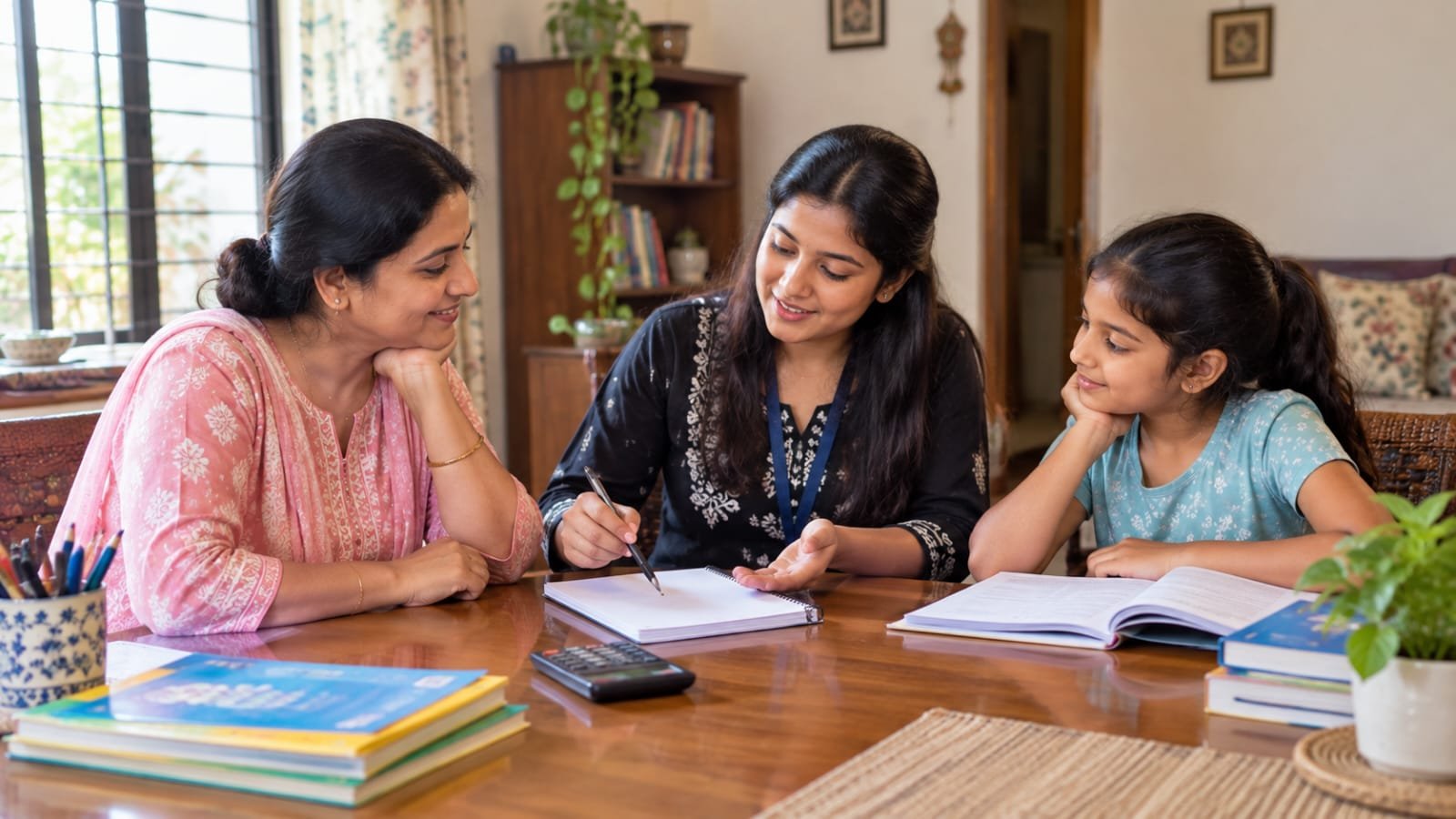

Quick answer: Children develop independent study habits when they learn to plan their work, organise their materials, solve manageable problems and check their own progress. Parents can support this process by establishing a flexible daily routine, setting realistic goals and offering guidance without completing the work for the child. The aim is to build responsibility and confidence gradually, not to expect perfect self-discipline overnight.
What Are Independent Study Habits?
Independent study habits are the routines and skills that help children learn with decreasing amounts of adult supervision. A child with these habits can identify what needs to be done, get the required materials ready, begin a task, try to solve problems and recognise when help is needed.
Independence does not mean that children must study alone all the time. Younger children may need frequent reminders, while older students may be able to plan their revision and homework with occasional check-ins.
The goal is to move gradually from parent-led study sessions to shared planning and, eventually, greater responsibility for learning. This approach can help children become more organised without making study time a daily struggle.
1. Create a Consistent Study Routine
A predictable routine helps children understand when it is time to study and what they should do first. Choose a study period that fits your child's school timetable, energy levels, meals, rest and extracurricular activities.
There is no single ideal study time for every child. Some children prefer to finish homework after a short break following school, while others concentrate better later in the evening.
Work together to choose a realistic time and keep it reasonably consistent. Give your child a reminder before the session begins so that switching from play to study does not feel sudden.
Make the routine easy to follow
- Choose a regular time that works for your family.
- Allow time for snacks, movement and relaxation after school.
- Keep books, stationery and school materials in one accessible place.
- Agree on what should be completed before the study session ends.
- Review the routine weekly and adjust it when schoolwork or family commitments change.
The American Academy of Pediatrics shares practical advice on establishing a regular homework time and a suitable study environment in its guide to developing good homework habits.
2. Set Small and Achievable Study Goals
A child may resist studying when the task feels too large or unclear. Telling a student to "finish all your Science" can feel overwhelming, particularly when several chapters or assignments are pending.
Help your child break the work into specific actions. Instead of completing an entire chapter at once, the first goal could be to read two pages, understand one concept and answer a few practice questions.
As children become more comfortable with planning, encourage them to choose their own daily goals. You can review the plan together, but let the child take the lead whenever possible.
Example of a simple study plan
Task | Small goal | How the child checks progress |
|---|---|---|
Mathematics | Practise selected questions from one topic | Check the answers and revisit mistakes |
Science | Read one concept and explain it in simple words | Describe the concept without looking at the book |
English | Read a passage and note unfamiliar words | Summarise the passage and review the words |
These are examples, not a compulsory daily timetable. Adjust the workload to your child's class, ability, school assignments and attention span.
3. Create a Study Space With Fewer Distractions
Children find it easier to begin studying when their materials are ready and the surroundings support concentration. A separate study room is not essential. A quiet corner, dining table or shared family space can work if it is comfortable and reasonably free from interruptions.
Keep frequently used books, pencils, notebooks and other supplies within reach. Agree on simple rules for television, mobile phones, gaming and other distractions during focused study periods.
If your home is busy or space is limited, choose a quieter time rather than expecting complete silence throughout the day. The important thing is to create a practical arrangement that your child can use consistently.
4. Teach Children to Plan Their Own Work
Planning is a skill that children learn through practice. Rather than creating every timetable yourself, involve your child in deciding which tasks need attention and how to fit them into the available time.
For younger children, a short checklist with a few tasks may be enough. Older students can use a diary, calendar or weekly planner to track homework, projects, revision and upcoming tests.
Use a simple daily checklist
- What homework or revision must I complete today?
- Which task should I start with?
- What materials do I need?
- When will I take a short break?
- What should I check before I finish?
At the end of the session, ask your child to review the checklist and identify anything that remains unfinished. If the plan was unrealistic, help them adjust it rather than treating the unfinished work as a failure.
Gradually reduce reminders as your child becomes more capable of managing the process. The purpose is to teach planning, not to make children dependent on a parent's timetable.
5. Encourage Children to Try Before Asking for Help
When a child struggles with a question, it is natural to want to provide the answer immediately. However, solving every difficult problem for them can limit opportunities to practise independent thinking.
Encourage your child to read the question again, identify what they already understand, review a relevant example and attempt the next step. If they are still stuck, offer a hint or explain one part of the problem instead of taking over the entire task.
Questions that encourage independent thinking
- What do you already know about this topic?
- Can you explain the question in your own words?
- Is there a similar example in your textbook?
- What could you try first?
- Which part would you like me to explain?
These questions help children learn how to approach problems and communicate their difficulties. It is equally important to recognise when a child genuinely needs teaching support rather than simply more time alone.
6. Build Self-Checking and Revision Habits
Independent learners do more than complete assignments. They also review their work, notice mistakes and decide what they need to practise again.
Teach your child to reread written answers, check calculations, follow assignment instructions and compare answers with an authorised answer key when one is available. For revision, encourage them to close the textbook and explain a concept from memory before checking what they missed.
After a test or worksheet, focus on understanding errors. Was the concept unclear? Was a question misunderstood? Did the child rush or forget to show a step? Identifying the reason makes the next practice session more useful.
Over time, children can maintain a small list of topics they understand well and topics they need to revisit. Parents can review this list with them without turning every mistake into a criticism.
7. Use Praise That Builds Confidence
Children need encouragement as they learn to manage their studies. Praise specific actions, such as starting on time, trying a difficult question, checking an answer or returning to a task after a break.
For example, saying "You checked your calculations before finishing" helps a child recognise the behaviour they can repeat. By contrast, praise that focuses only on marks may make children feel that their effort matters only when the result is high.
Avoid comparing siblings or classmates. Children have different learning needs, strengths and rates of development. A more useful measure is whether your child is becoming more organised and able to handle tasks with less help than before.
Keep expectations realistic. Independent study habits develop through repeated practice, and occasional difficult days are normal.
8. Balance Study, Sleep, Play and Breaks
Independent learning should be sustainable. Children need sufficient rest, physical activity, recreation and family time alongside schoolwork. An exhausting timetable may make it harder to concentrate and maintain a positive attitude towards learning.
Break longer tasks into manageable periods, especially when your child becomes tired or loses focus. Encourage them to stretch, drink water or move around between sessions when appropriate.
Protect a regular bedtime and avoid allowing revision to replace sleep routinely. If a child consistently struggles to complete normal schoolwork despite reasonable planning, discuss the difficulty with their teacher instead of simply increasing study hours.
9. Adapt Your Support to Your Child's Age
The right level of independence depends on a child's age, skills, confidence and learning needs. A young child may need an adult to explain instructions and help organise materials, while an older student may be ready to plan a week of revision independently.
Stage | Helpful parental support |
|---|---|
Early primary years | Use short tasks, visual checklists, shared reading and frequent encouragement. |
Upper primary years | Let the child choose task order, prepare materials and check completed work. |
Middle school | Introduce weekly planning, project deadlines, revision goals and self-checking. |
Classes 9 to 12 | Encourage independent timetables, subject prioritisation and regular progress reviews. |
These stages are flexible guidelines rather than strict rules. A child may manage some tasks independently while needing support with others. Increase responsibility gradually and provide more guidance whenever a task is unfamiliar or particularly challenging.
10. Know When Extra Learning Support May Help
Sometimes a child avoids studying because the work is confusing, the instructions are unclear or an important concept has not been understood. Repeated reminders to concentrate will not solve a learning gap on their own.
Ask your child which subjects or tasks feel difficult, and look for patterns in incomplete assignments or repeated mistakes. Speak with the schoolteacher when the difficulty continues or when you need a clearer understanding of the child's learning needs.
If additional explanation and practice would help, you can find a tutor through Tuitions Teacher who matches your child's class and subject requirements. A suitable tutor can help clarify concepts and practise study strategies while parents continue encouraging the child to take responsibility for their own work.
For more information about available teaching options, you can also browse tutor profiles and compare relevant subjects and teaching arrangements.
A Simple Seven-Day Plan to Start
You do not need to change every study habit at once. Begin with a few manageable steps and review what works for your family.
- Day 1: Discuss what makes studying easy or difficult for your child.
- Day 2: Choose a suitable study place and gather the necessary materials.
- Day 3: Agree on a realistic study time and one small daily goal.
- Day 4: Let your child prepare a short checklist before beginning.
- Day 5: Encourage your child to attempt a difficult question before asking for help.
- Day 6: Practise checking completed work and identifying topics for revision.
- Day 7: Review the week together and adjust the routine for the following week.
Use this plan flexibly. If one step needs more time, repeat it rather than rushing to the next. Consistent practice is more valuable than following a schedule perfectly.
Frequently asked questions
At what age should children start studying independently?
Children can begin practising simple independent tasks in the early school years, such as choosing a book, arranging pencils or completing a short activity. Parents should provide close guidance initially and gradually increase responsibility as the child develops confidence and organisational skills.
How can I make my child study without constant reminders?
Start with a predictable routine, a clear study space and a short checklist. Let your child help choose realistic goals, then gradually reduce reminders as the routine becomes familiar. If reminders remain necessary, check whether the workload is appropriate and whether your child understands the tasks.
How long should a child study independently each day?
There is no single duration suitable for every child. Study time depends on age, school workload, attention, learning needs and available time. Begin with manageable sessions and adjust the length according to your child's ability to focus and the work that needs to be completed.
Should parents check their child's homework every day?
Parents can check in and help children review their work, but the level of supervision should match the child's age and needs. Encourage children to check instructions, calculations and answers themselves before asking for your review. If homework is consistently difficult to manage, speak with the teacher.
What should I do if my child keeps getting distracted while studying?
Identify the main distraction and make one practical change, such as moving the phone away, preparing materials beforehand or choosing a quieter study period. Break difficult tasks into smaller steps and allow appropriate breaks. If concentration difficulties persist across settings and affect daily life, consider discussing them with a qualified professional.
Can a tutor help a child develop independent study habits?
Yes, a suitable tutor can model planning, problem-solving, revision and self-checking while helping a child understand difficult subjects. However, the child should still practise completing tasks independently between lessons. Parents and tutors can work together to encourage responsibility without taking over the child's work.
```