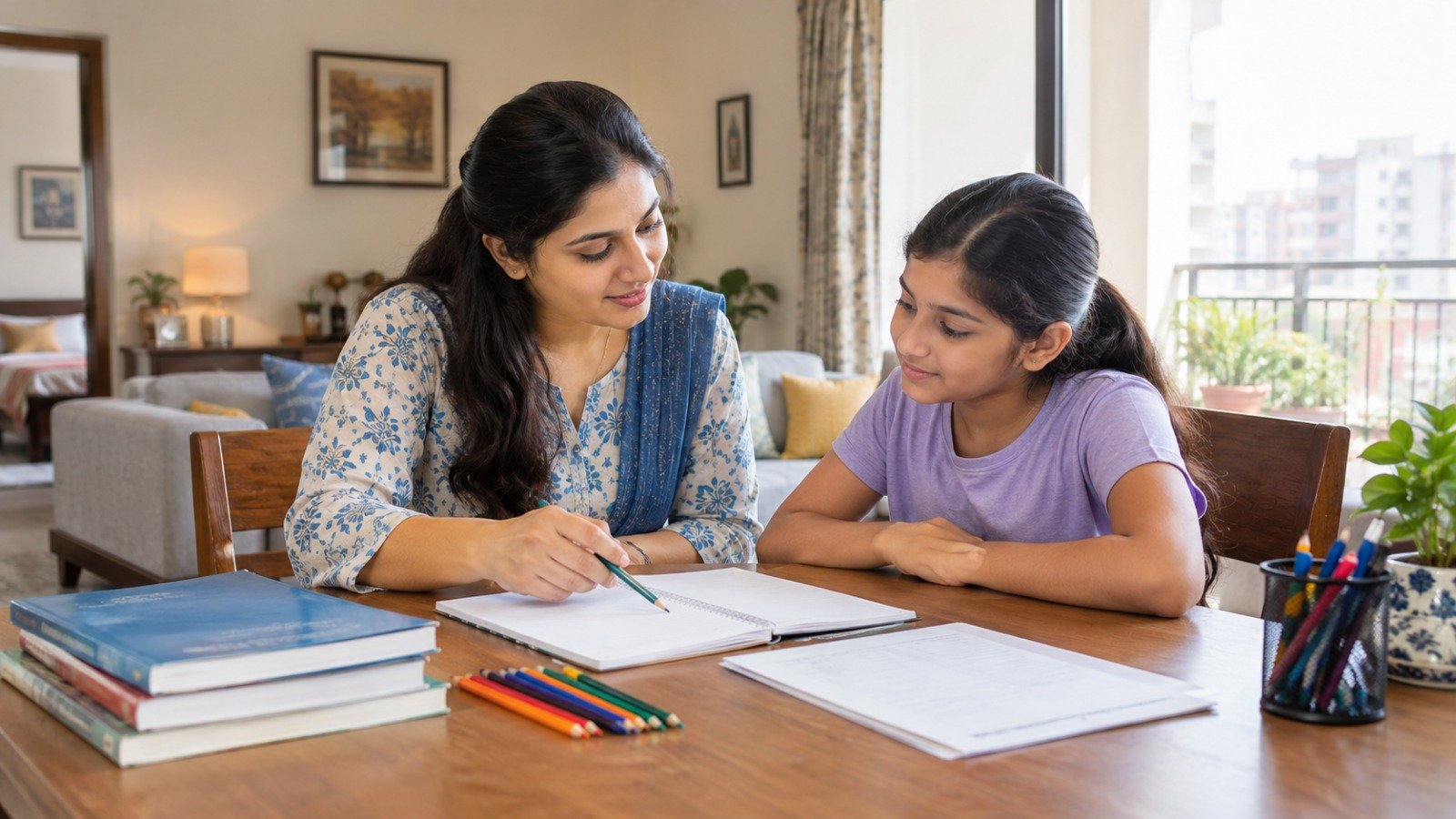
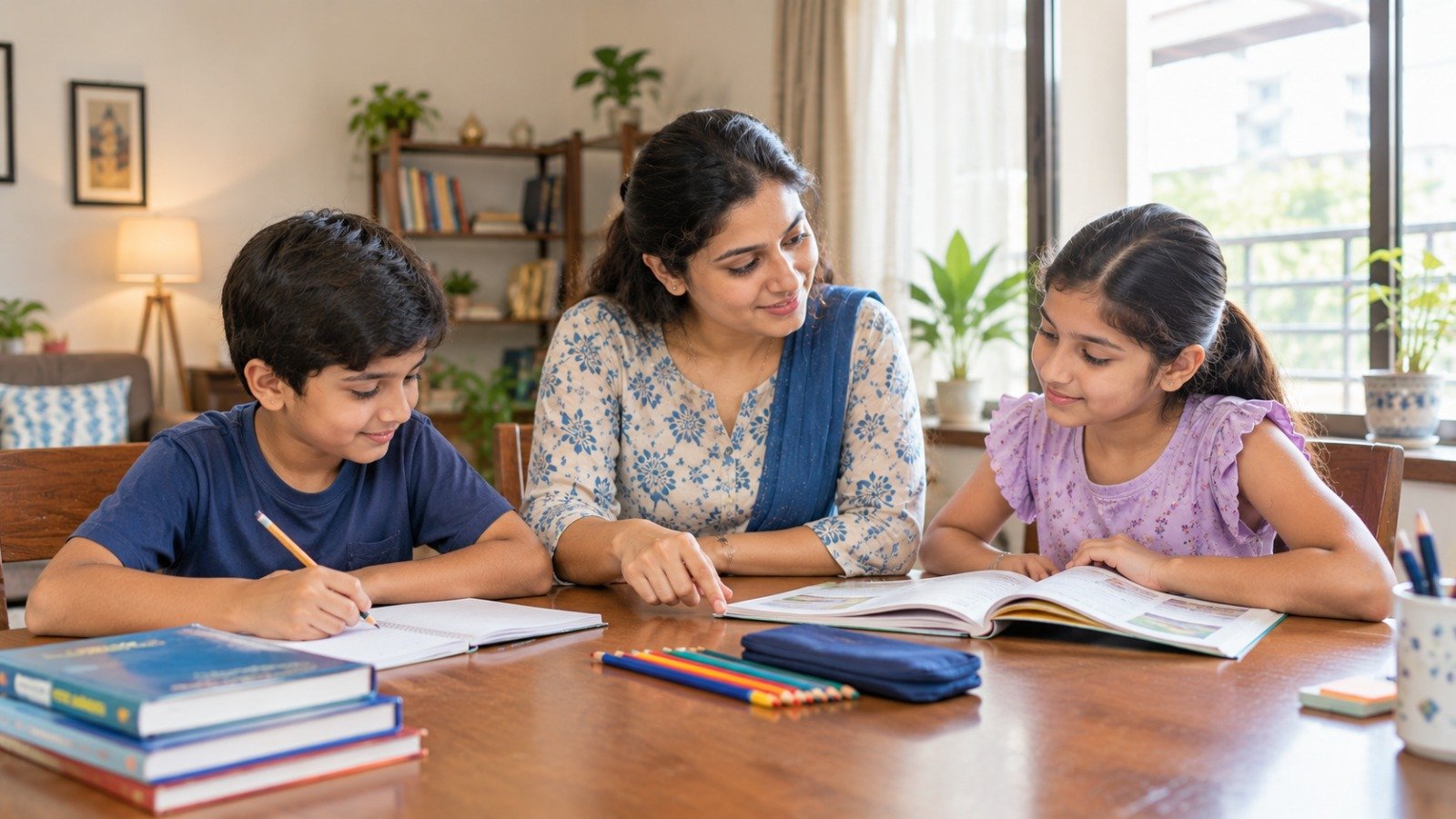
Quick answer: To teach two siblings together as a home tutor, plan a shared lesson goal where possible, but adjust explanations, difficulty and practice work to each child's level. Give both children individual attention, set clear rules against comparisons, and build in short activities they can complete independently while you help the other child.
Why teach two siblings together as a home tutor?
Teaching siblings in one session can help a family coordinate tuition around a shared schedule. It may also give children opportunities to discuss ideas, practise explaining concepts and learn to respect each other's strengths. However, siblings are not automatically at the same academic level just because they live in the same home.
Before accepting a joint assignment, consider whether the children have compatible subjects, learning needs, attention spans and expectations. Two siblings in the same class may need different amounts of practice, while siblings in different classes may share only a broad topic or study skill.
A combined session can work well when you can:
- Identify at least one useful shared learning goal.
- Prepare separate tasks that suit each child's level.
- Manage independent work while helping one child at a time.
- Keep the lesson fair without giving both children identical work.
- Communicate each child's progress separately to the parent.
If one child needs intensive support throughout the session and the other requires a very different teaching approach, explain this to the parent. Separate sessions or a mixed arrangement may be more suitable than forcing both children into the same lesson format.
Assess both siblings before planning lessons
Your first step is to understand each child as an individual learner. Ask the parent about school class, board, subjects, current topics, upcoming assessments, learning concerns and the family's goals for tuition. Then speak with each child and use a short, age-appropriate activity to check what they can already do.
Make an individual learning snapshot
Record a few practical points for each sibling:
- Current level: What can the child solve, explain, read or write independently?
- Learning gaps: Which earlier concepts need revision before moving ahead?
- Strengths and interests: Which examples or activities help the child participate?
- Learning goal: What is one realistic skill to practise over the next few sessions?
- Support needed: Does the child need a model, hints, worked examples or more independent practice?
Do not label one sibling as the “bright one” or the “weak one”. Describe specific skills instead, such as “can add two-digit numbers independently” or “needs support choosing the correct operation in word problems”. This makes your planning more precise and helps prevent the children from being compared unfairly.
The NCERT National Curriculum Framework for the Foundational Stage discusses differentiated instruction: adapting content, methods, materials and assessment to children's needs. Its examples illustrate why children working around the same broad topic may still benefit from different tasks and levels of support.
Plan one shared lesson with different tasks
You do not have to teach two completely separate lessons every time. Instead, identify a shared theme and vary the activity or level of difficulty. This makes lesson preparation manageable while allowing both siblings to make progress.
Shared topic | Task for one child | Task for the other child |
|---|---|---|
Fractions | Identify halves and quarters using drawings. | Compare fractions or solve word problems, depending on readiness. |
Reading | Read a short passage and identify key words. | Summarise a longer passage or explain a character's actions. |
Science | Label familiar plant parts or describe observations. | Explain the role of plant parts or compare two plants. |
Writing | Write clear sentences about a picture. | Develop a paragraph with a beginning, supporting details and an ending. |
Study skills | Sort notes or organise a short checklist. | Summarise a topic and create revision questions. |
These are examples, not fixed class-wise assignments. Choose tasks based on what each child has learned, their syllabus and the skills you have observed. Different work should still be meaningful for both children; do not give one child extra worksheets simply because the other needs more explanation.
Use a simple structure for each tuition session
A predictable lesson routine helps both children understand when they will work together and when they will receive individual support. Adjust the duration to their ages, attention spans and the session length agreed with the parent.
- Opening check-in: Ask each child what they remember from the previous lesson and what they found difficult.
- Shared introduction: Explain the main concept with an example, short story, demonstration or visual aid.
- Individual practice: Give each sibling a task matched to their current level.
- Teacher rotation: Work directly with one child while the other completes a clear independent task, then switch.
- Joint activity: Let them compare methods, solve a suitable problem together or explain a concept in their own words.
- Separate review: Ask each child to show what they can do without help and note the next step for each.
For example, during a Maths lesson, you could model a concept for both children, then guide one through a few foundation questions while the other attempts a more challenging problem. After switching, finish with a short activity where both explain how they approached a question suited to their level.
Give fair attention without treating them identically
Fairness means that each child receives the support needed to learn, not that the tutor divides every minute or question exactly equally. One child may need a longer explanation today, while the other may need more challenging work. Make the rotation visible and predictable so neither child feels ignored.
Practical ways to balance attention
- Tell them the plan: Explain who you will help first and what the other child should do in the meantime.
- Use independent task cards: Write simple instructions so a child can continue without interrupting every few minutes.
- Check both notebooks: Look at each child's working, not just the final answer.
- Ask both children questions: Avoid allowing the more confident sibling to answer everything.
- Rotate first choice: Let each sibling take turns choosing an example, reading passage or short activity.
Build in brief moments when each child can ask a question privately or explain what is difficult. Some children may hesitate to reveal a gap in front of a sibling, especially if they believe the other child will tease them or tell the family.
Prevent rivalry and unhelpful comparisons
Siblings may compete for praise, finish work at different speeds or become frustrated when one receives more help. A tutor should keep the session focused on individual progress rather than turning lessons into a contest.
Set a few simple ground rules with the children:
- No mocking mistakes or calling a sibling slow.
- Ask before borrowing the other child's stationery or materials.
- Let each child finish explaining before responding.
- Celebrate effort, useful strategies and improvement, not just speed.
- Offer teamwork activities only when cooperation is productive and comfortable for both children.
Use feedback such as “You checked your calculation carefully” or “You tried a new strategy after the first attempt”. Avoid statements like “Your sister understands this faster” or “Your brother always gets the right answer”. The American Academy of Pediatrics' guidance on sibling relationships highlights the value of respecting children's differences, taking turns with activities and making time for individual attention.
If arguments continue, pause the task and restate the ground rules calmly. Speak with the parent about recurring difficulties and consider whether the siblings need different session times. You are responsible for maintaining a respectful learning environment, not for forcing them to work together at all costs.
Communicate progress to the parent
Parents need a clear picture of how each child is progressing. Give separate feedback even if the children share a tutor and lesson time. A short update after the session can cover what each child worked on, what they managed independently and what you plan to revisit.
For example, you might report that one child is becoming more confident with multiplication but needs practice reading word problems, while the other can solve routine questions and is ready to work on multi-step problems. These specific observations are more useful than saying one child is doing better overall.
Agree on reasonable homework expectations, the best way to contact the parent and how often to review goals. Keep the children's academic information private and avoid discussing one sibling's difficulties in a way that embarrasses them in front of the other.
When should siblings have separate tuition sessions?
Joint teaching is not always the best option. Consider recommending separate sessions, at least for part of the week, when the children have very different syllabuses, one needs sustained one-to-one support, or sibling conflict repeatedly interrupts learning.
Separate sessions may also help when one child is preparing for a major examination and the other needs foundational practice, or when their preferred teaching pace and study times do not overlap. Explain your reasoning to the parent in terms of learning needs, not which child is easier to teach.
If a parent is looking for additional teaching support, they can post a tuition requirement to find a tutor or browse tutor profiles on Tuitions Teacher. Tutors can also create a tutor profile to explore opportunities. Choose an arrangement that is realistic for the children and the tutor, rather than assuming combined tuition is always more convenient.
Frequently asked questions
Can a home tutor teach two siblings in different classes together?
Yes, if the tutor can prepare suitable tasks for each child's syllabus and level. Some parts of the lesson may be shared, but explanations, practice and progress checks should remain individual. If the learning needs are too different, separate sessions may work better.
How do I divide my time between two siblings?
Plan short rotations and give the child who is waiting a clear independent task. Check both children's work and let each know when their turn for direct help is coming. Adjust the timing according to the difficulty of the lesson and the support each child needs.
Should both siblings get the same homework?
Not necessarily. Homework should match each child's current learning goal and be manageable within the agreed study routine. The siblings may practise the same concept using different questions or levels of difficulty.
What should I do if one sibling keeps distracting the other?
Set clear expectations, use separate work areas if possible and provide short tasks with clear instructions. If the disruption continues, speak calmly with the parent and consider whether separate sessions are more suitable. Avoid shaming either child or making the lesson a competition.
How can I stop siblings from comparing marks or speed?
Focus feedback on each child's progress against their own learning goals. Praise careful thinking, persistence and improvement rather than who finishes first. Redirect comparisons toward personal targets and respectful teamwork.
How do I explain the benefits of joint tuition to parents?
Explain that shared tuition may help coordinate schedules and allow some activities to be taught together, while each child still needs individual goals and feedback. Be honest about the limits of a combined session. Review progress with the parent and change the arrangement if either child is not receiving enough support.